

Spending time with my grandkids is one of the best things in the world. And you know what’s become a regular thing around here? Family game night.
It started out as something to do on rainy days, but now it’s something we all look forward to. We laugh, we play, and most of all—we connect. In a world full of video games, tablets, and nonstop TV, playing board games together has been a great way to take a break from all the screens.
Let me tell you why this has become one of my favorite things to do, and why it might just be the perfect game time idea for your family, too.
This page contains affiliate links. If you choose to purchase after clicking a link, I may receive a commission at no extra cost to you. As an Amazon Associate, I earn from qualifying purchases at no cost to you. I take great pride in promoting tools and resources that I personally love, tried or diligently researched.
Social Skills

One of the first things I noticed? Board games are amazing for teaching social interaction. The kids learn how to take turns, wait patiently, and follow the rules. I’ve seen my youngest grandchild go from grabbing at pieces to calmly waiting for his turn—and believe me, that’s no small feat for a 5-year-old!
They also learn how to win graciously and, more importantly, how to lose without a meltdown. That kind of friendly competition helps them deal with disappointment in a safe way. We talk it out, laugh about silly moves, and move on to the next round. These are real-life lessons tucked into fun.
Math Skills

Many games sneak in math without the kids even noticing. From counting spaces to scoring points, it’s all there. Games like Sushi Go have them adding totals and figuring out which cards give the best score—suddenly, math is exciting!

Even something like UNO helps younger kids recognize numbers, match colors, and understand what “greater than” or “less than” feels like in action. That’s not just math—it’s confidence building.
Language Development

We play games that involve reading cards, spelling words, or answering questions out loud—and it shows. I’ve watched their vocabulary grow just from reading directions or talking through their moves. They’re using complete sentences, learning new words, and practicing clear speech every game night.
Sometimes we even pause the game to talk about a new word they heard or to act out a funny game card. It turns into a little mini-lesson wrapped in giggles.
Problem-Solving & Critical Thinking

You should see their faces when a game gets tricky. That moment of quiet concentration before a move? That’s their problem-solving brain kicking in. Strategy games like Connect 4 or Zingo teach them to plan ahead, think logically, and predict outcomes.

It’s not just about winning—it’s about learning how to make a decision and stick with it. Watching them grow into confident decision-makers is honestly one of the best parts of our game nights.
Fine Motor Skills
Don’t underestimate the power of small actions. Picking up cards, rolling dice, moving little pawns around the game board—those tiny movements help kids build hand-eye coordination and improve fine motor control.
This is especially great for younger children who are still learning how to grip, stack, or handle objects. Even shuffling cards becomes a fun workout for their fingers!
Face-to-Face Interaction
This one might sound simple, but in today’s world, it’s huge. Sitting down for a game means face interaction—we look each other in the eye, talk about our day, laugh, tease, and just be together.
There’s no phone in their hand, no TV playing in the background—just real people enjoying real time. And in that space, something special happens. Family bonding. It’s old-school magic in a high-tech world.
And the Best Part…
The best part of all? It brings us closer together. That quality time around a table creates something bigger than just a fun hour—it builds family bonds that last a long time. We’ve made it a habit now—regular game nights, even if it’s just one short game before bed.
And I truly believe that the laughter, teamwork, learning, and yes—even the occasional squabble—are shaping them into kind, thoughtful little humans.
The Power of “Unplugged” Fun
When the kids come over, I notice how fast they reach for the remote or tablet. And that’s when I pull out a fun game or a quick game that’s easy to set up.
Suddenly, we’re all sitting down, choosing different characters, learning the object of the game, and having so much fun. No screens, no distractions—just us. Laughing, learning, playing.
Honestly, it’s one of the best ways to enjoy real family time.
What Kind of Games Work Best?
Types of Games That Work Best (And Why We Love Them)
With so many kinds of games out there, it can be a little overwhelming trying to find the right ones—especially for younger players, older siblings, or even us grandparents who haven’t played a game in years! So here’s a breakdown of some top picks we’ve tried, why we love them, and who they’re best for.
Classic Board Games (A Great Introduction for Any Age)
You can’t go wrong with the classic board games we grew up playing. These are perfect for young children just learning how to follow simple rules—and they give everyone a little nostalgia boost too!
Worth mentioning:
- Candy Land – Great for little kids learning to take turns and follow a path. No reading required.
- The Game of Life – A fun family game night pick that teaches cause and effect, choices, and even budgeting.
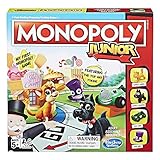
- Classic Monopoly – Best for older kids and older players who like a challenge and don’t mind a longer game. Teaches math, strategy, and even a little real estate!


Cooperative Board Games (Work Together, Win Together!)
These are my personal favorites. Everyone works as a team, which is great for younger siblings who don’t like losing (and hey, we’ve all been there). It’s a good way to build family bonding without the pressure of one person always winning.
Try these:
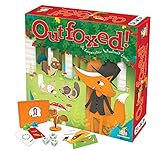
- Outfoxed! – A kid-friendly mystery game that builds problem-solving and deductive thinking.
- Hoot Owl Hoot! – Simple, colorful, and made just right for younger kids learning teamwork.

Memory & Brain Games (Great for Younger and Older Players)
These help build critical thinking, executive function, and memory skills—and they’re usually easy enough for young kids, but fun enough for us grown-ups too.
Best picks:
- Zingo – Like Bingo, but smarter. Helps with language development and reading skills.
- Memory Match games – Simple tabletop games with pictures that build attention and recall.
- Rush Hour Jr. – A logic puzzle that strengthens problem solving and spatial awareness.


Card Games & Quick Games (When Time Is Short but Fun Is Needed!)
These are my go-to for after dinner or when we only have 15–20 minutes. They’re fast-paced, full of friendly competition, and often come with simple rules.
Top picks:
- UNO – An all-time favorite for players of all ages. Colors, numbers, and fast action.
- Sushi Go – A best card game for building math skills, strategy, and just having a blast.
- Rhino Hero – A silly fast-paced card game that gets the giggles going and works fine motor skills.

Strategy Games (Perfect for Older Kids & Long Play Sessions)
These deep strategy games offer unique challenges and a great game time when everyone’s ready to focus. Best for ages 8 and up.
Strategy-style games we love:
- Qwirkle – Think Tetris meets dominoes. Fun for older children and grandparents alike.
- Ticket to Ride: First Journey – An easier version of the original that’s a great introduction to strategy games.
- Sleeping Queens – Super fun with cute artwork. Teaches numbers, simple math, and card combos.


It’s Not Just for the Little Ones
I’ll be honest—sometimes older kids think they’re too cool for board games. You know the look: arms crossed, eye roll, the whole “I’d rather be on my phone” vibe. But the minute we sit down and start dealing cards or setting up the game board—something shifts.
Suddenly, those teens who “weren’t interested” are shouting out moves, getting competitive, and laughing harder than anyone else at the table. That’s the magic of a good board game—it breaks down those age walls and brings everyone into the moment.
Even older players—like us grown-ups—find ourselves getting pulled in. I’ve caught myself getting way too serious about UNO battles or leaning into strategy like it’s game night at a championship level. And I’m not sorry about it one bit!
We’ve even started exploring new games that have deep strategy and unique game mechanics—the kind that really challenge how you think and plan. Playing these with my grandkids is more than just fun—it’s connecting on a deeper level. We’re talking, laughing, sometimes teaming up, and yes—even trash-talking (the nice kind!).
These games create an even playing field, where it doesn’t matter if you’re 8 or 68—you’re in it together. That kind of shared experience is rare in today’s world, and honestly, it’s one of the best things about game night.
And let me tell you something: when your teenage grandkid beats you at a strategy game fair and square, and you both end up high-fiving? That’s not just bonding. That’s a memory.
Final Thoughts: Why It’s Worth It
Playing board games with my grandkids has done more than I ever expected. It’s helped them build real-life skills, given us family bonding time without screens, and filled our home with laughter and learning.
If you haven’t tried it yet—start simple. Pick a great board game, clear a little space at the table, and sit down together. No need to plan a whole evening. Just 20 minutes is enough to get things rolling. You’ll be surprised how much fun it turns into—even with the kids (or adults) who swore they “weren’t into it.”
The best family board games aren’t always the fanciest. Sometimes it’s the old favorites, or the new ones you try just for fun. The point isn’t to win—it’s to connect, laugh, and be fully present with each other.
So go ahead—schedule that family game night, keep it light, and let the good times roll.
Because at the end of the day, it’s not just a game… it’s a memory in the making.

