

There’s nothing quite like gathering around the table, a stack of games ready, the excitement in the air, and family members all pumped for a night of good fun with board games.
With a mix of classics, new finds, and plenty of twists, this list of the best family board games for 2024 will have something for everyone.
Imagine all ages, from young kids to older players, laughing, strategizing, and even learning a thing or two along the way. Family game night can be the perfect way to spend quality time, build social skills, and bring everyone together.
This page contains affiliate links. If you choose to purchase after clicking a link, I may receive a commission at no extra cost to you. As an Amazon Associate, I earn from qualifying purchases at no cost to you. I take great pride in promoting tools and resources that I personally love, tried or diligently researched.

Ticket to Ride
Ticket to Ride is a crowd-pleaser for families with older children and younger players alike.
It combines adventure, strategy, and a touch of friendly competition, making it a perfect board game for family game night. The object of the game is to build train routes across a colorful map, connecting cities and creating a network before your fellow players claim the best tracks.
Each player collects train cards that match specific colors, allowing them to claim routes and score points. The longer the route, the more points you earn—but there’s a twist! Opponents might snag the routes you need, pushing you to think creatively about building alternate paths.
The game is simple enough for younger kids to grasp but layered with strategies that older players will appreciate. Each turn, players can choose to draw more cards, claim routes, or build new connections, creating an engaging mix of choice and chance that keeps everyone invested.
One of the best things about Ticket to Ride is that it comes in many different versions—each with unique maps and rules.
From Europe, where you can take ferries and tunnels, to New York, where you race through city blocks, and even a Japan map with sleek double-decker trains! This variety means Ticket to Ride never gets old and fits into any family’s travel-loving dreams.
With its easy-to-understand rule book, quality game pieces, and endless replay value, Ticket to Ride is more than just a game—it’s a fun way to dive into a world of adventure, learning, and excitement right from your living room.
Ticket to Ride: Pros and Cons
Pros:
- Easy to Learn: Ticket to Ride has simple rules that make it quick to pick up, so new players and younger kids can join in without much prep time.
- Strategic Depth: Although it’s easy to start, the game offers plenty of strategy. Players must plan their routes, manage resources, and even block opponents, which keeps older players engaged.
- Versatile Versions: With different versions like Europe, New York, and Asia, Ticket to Ride brings fresh challenges and settings, so it’s like having a new game with each edition.
- Great for All Ages: Since it blends simplicity with strategic elements, it works well for families with a range of ages, from young kids to older adults.
- Quality Components: The colorful game board, sturdy train pieces, and high-quality cards make the game visually appealing and durable for repeated use.
- Encourages Social Interaction: Ticket to Ride is perfect for family game night, as it requires light competition, teamwork, and friendly banter, bringing everyone together.
Cons:
- Can Be Competitive: Blocking routes and competing for the same paths can lead to tension, especially for younger or more competitive players. Sometimes this can create frustration if players are sensitive to losing spots on the board.
- Limited Player Count: Although it works well with 2 to 5 players, larger families may need to take turns or consider an expansion pack to include everyone.
- Longer Playtime: Ticket to Ride games can sometimes run long, taking up to 60-90 minutes, which might be challenging for young kids or players looking for a shorter game.
- Map Familiarity Needed for Younger Players: Some maps are easier to navigate if you’re familiar with the cities, so younger players might take a little time to get used to the locations.
- Can Feel Repetitive Over Time: After many rounds, the basic game might start to feel repetitive, though switching to a new version or expansion pack helps keep things fresh.
Ticket to Ride is a well-loved game for a good reason—it’s fun, adaptable, and offers just the right amount of friendly competition for quality family time.
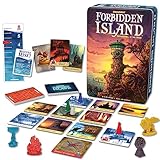
Forbidden Island
In Forbidden Island, families join forces as a team of adventurous explorers, aiming to retrieve four sacred treasures and escape the island before it sinks completely.
This cooperative game flips the typical competitive approach, requiring everyone to work together to win, which makes it ideal for promoting teamwork and group strategy.

Players will need to strategize, make quick decisions, and support each other in this race against time.
The game unfolds across a colorful, modular game board that represents the island, and each turn brings new challenges as parts of the island start to flood, creating urgency and excitement.
Each player takes on a unique role with special abilities, like the “Diver,” who can swim across multiple flooded sections, or the “Pilot,” who can airlift others to safety.
These roles add an extra layer of depth, making it fun for each family member to bring something valuable to the team.
It’s a great choice for introducing young kids to the world of board games because it keeps them engaged without the stress of competing against family members.
Pros:
- Encourages Teamwork: Since it’s a cooperative game, Forbidden Island helps players learn the value of collaboration. Everyone has to contribute, which is fantastic for building social skills, especially among younger kids.
- Simple to Learn: With a clear rule book and straightforward gameplay, this is a good game for first-time players or younger children who may struggle with more complex games.
- Engaging Storyline: The “sinking island” theme, with game pieces representing treasures and an ever-diminishing board, keeps players on the edge of their seats.
- Unique Roles with Abilities: Each player’s role and special ability create a sense of importance and excitement, keeping everyone actively involved.
- Affordable and Compact: Forbidden Island is relatively inexpensive and comes in a small tin box, making it easy to store or take along for travel.
- Fast-Paced and Interactive: Most games last around 30 minutes, so it’s short enough to hold the attention of young kids and keeps the family engaged without long waits between turns.
Cons:
- Can Be Stressful for Younger Kids: The sense of urgency, with the island “sinking” every turn, might be too intense for very young kids or players who get stressed easily.
- Limited Replayability: Once players become familiar with the roles and challenges, the game can start to feel repetitive. Adding other cooperative games to the rotation can help.
- Best with 3-4 Players: Forbidden Island works well with 3-4 players. While it can be played with 2 players, the game shines when more family members participate, and more roles are utilized.
- All-or-Nothing Outcome: Since the game is fully cooperative, it can feel anticlimactic if the team loses right before they’re close to winning. This might be discouraging for younger kids who are sensitive to group losses.
Ideal Age Group:
Forbidden Island is recommended for ages 8 and up, though younger children as young as 6 can enjoy it with some adult guidance. The game’s cooperative nature and simple tasks make it engaging for young children, but it’s still challenging and exciting enough for older kids and even adults. This game is a good choice for mixed age groups, as the roles and teamwork can accommodate various skill levels.
Forbidden Island provides a thrilling yet family-friendly challenge that can transform family game night into a memorable adventure. It’s a great way to get younger children involved, boost problem-solving skills, and enjoy quality time as a team!

King of Tokyo
King of Tokyo is a fast-paced, dice-rolling adventure where players become iconic monsters, like a giant lizard or a menacing robot, duking it out to claim the title of the ultimate King of Tokyo.
It combines the excitement of rolling dice with strategic choices that let players decide whether they want to focus on attacking, healing, or gathering points.
Each turn, players roll dice to either gain energy for special upgrades, attack other monsters, heal themselves, or rack up victory points. The first player to reach 20 victory points—or the last monster standing—wins the game!
The gameplay is simple enough for younger kids to jump into, with rules that allow even first-time players to grasp the basics quickly.
The light-hearted competition makes it a great game for mixed age groups, while the dice-rolling mechanics keep everyone involved.
This game is filled with hilarious moments, especially when players go head-to-head, rolling for high scores and watching each other’s monster personas battle it out.
King of Tokyo also features special power-up cards that allow players to customize their monsters with abilities, like extra attacks, added health, or unique powers, making every game feel a bit different. If your family falls in love with it, you can add expansion packs like King of Tokyo: Power Up! and King of Tokyo: Halloween for even more characters and abilities.
Pros:
- Easy to Learn, Hard to Master: The rules are straightforward, so players can get started quickly, but there’s enough depth to keep things interesting as everyone develops strategies.
- High Replay Value: Each game feels fresh with the combination of dice rolls and special power-ups. Adding expansion packs keeps the game evolving, which is great for families who love replayable games.
- Great for All Ages: The game’s competitive yet fun atmosphere makes it suitable for younger kids, older children, and even adults. The excitement of rolling dice and battling monsters is universally appealing.
- Quick Playtime: Most games wrap up within 30 minutes, making it easy to fit in multiple rounds or play as a filler game during family game night.
- Unique Power-Ups: The special ability cards allow players to develop their own unique monster, adding a layer of personalization and strategy that players of all ages can enjoy.
- Fun and Interactive: With plenty of moments to cheer, groan, and strategize together, King of Tokyo keeps everyone engaged and laughing.
Cons:
- Luck-Heavy: Since it’s dice-based, luck can play a big role, which might frustrate more strategic players who prefer games where skill is the primary factor.
- Best for 3-6 Players: While it’s possible to play with two, King of Tokyo is more exciting with 3 or more players. Large families may need to rotate or play in teams.
- Can Get Competitive: The battle-oriented gameplay can get intense, especially when players focus on knocking each other out. It’s important to make sure younger players are comfortable with losing or being “knocked out.”
- Not Ideal for Solo Play: As a purely multiplayer experience, it doesn’t offer any solo player options, which might be limiting if some family members prefer playing alone.
- Relies on Elimination: Players who get “knocked out” may need to sit out the rest of the game if there are many participants. However, the game’s short playtime usually keeps this from becoming a major drawback.
Ideal Age Group
King of Tokyo is recommended for ages 8 and up, though younger players may enjoy it with some assistance, especially since the game is easy to learn. Older kids and adults find it equally thrilling, so it’s great for families with children of mixed ages who want a game that balances simplicity with high-energy competition.
Why You’ll Love It
This game is a fantastic addition to family game night because it brings together laughs, strategy, and a bit of luck. With its unique monster theme, King of Tokyo offers a fresh take on family games that’s both engaging and easy to pick up. It’s a fast, exciting, and interactive way to bring everyone together, making it a must-have for any game shelf!
Codenames
For families who enjoy word games and social deduction games, Codenames is the perfect choice.
It’s a family game that combines creativity, deduction, and a bit of friendly competition, making it ideal for family game night.
In Codenames, players split into two teams, each with a “spymaster” who knows which words belong to their team.
The spymaster gives one-word clues to guide their teammates toward guessing these “secret words” while avoiding the other team’s words (and the dreaded “assassin” word, which ends the game if guessed). The first team to identify all their words wins, but it takes clever clues and careful guessing to get there!
This game’s setup and rules are simple, so players of all ages can quickly get the hang of it. The spoken word clues and guessing process make it an interactive experience, encouraging everyone to think creatively and connect ideas in unique ways.
Young kids, older children, and adults all have a good chance of contributing, which makes Codenames great for families with mixed ages.

One of the highlights of Codenames is the fun in seeing how family members think. Sometimes the clues might be straightforward, but other times they’re open to creative interpretation, which can lead to hilarious or unexpected guesses. Since it’s a team game, Codenames also emphasizes communication and social skills, as players learn to give and interpret clues effectively.
Pros:
- Encourages Creativity and Deduction: Codenames pushes players to think outside the box, using just one-word clues to get teammates to guess multiple words. It’s a fun way to build both deductive reasoning and creative thinking.
- Accessible for All Ages: The rules are easy, and the game doesn’t require a lot of reading or complex strategy, so even younger kids can join in with some guidance.
- Team-Based Fun: Since it’s a team game, Codenames brings family members together, promoting cooperation and bonding. It’s a good way for family members to learn to communicate and strategize as a group.
- High Replay Value: With dozens of words to choose from each round, the game feels fresh every time. Different themes and editions (like Codenames: Disney and Codenames: Harry Potter) add variety for families who want more options.
- Quick Setup and Playtime: Codenames doesn’t take long to set up, and each round lasts around 15 minutes, making it perfect for multiple rounds or as a filler game on game night.
- Portable and Compact: The small box and minimal pieces make Codenames easy to pack for travel or to play anywhere.
Cons:
- Requires a Minimum of Four Players: Since it’s a team-based game, Codenames needs at least four players (two per team), which can be a drawback for smaller families or solo players.
- Can Be Challenging for Very Young Kids: While younger players can participate, they may need help understanding complex clues or thinking abstractly, which could be frustrating for some.
- Relies on Language Skills: Since it’s a word game, Codenames might be tricky for those who aren’t comfortable with spoken word clues or struggle with vocabulary, especially young children or ESL players.
- Pressure on the Spymaster: The spymaster role can be challenging, as it requires balancing creativity and caution. For some players, the pressure of coming up with just the right clues can be a bit stressful.
- Potential for Misunderstandings: The open-ended nature of clues means guesses can be hit-or-miss, which sometimes leads to confusion or misinterpretation. For players who prefer clear-cut games, this can be a drawback.
Ideal Age Group
Codenames is typically recommended for ages 10 and up, but younger kids can join in with guidance from older players or adults. It’s especially fun for families with teens and adults, as everyone’s creativity and language skills can shine.
Why You’ll Love It
Codenames is a lively and interactive game that brings family members together through language, deduction, and plenty of laughs. It’s a great way to build social skills, get the whole family talking, and enjoy quality time in a unique and memorable way. This game encourages players to think in new ways and appreciate each other’s unique thinking styles, making it a must-have for any family game collection.
Sushi Go
Sushi Go! is a delightful, fast-paced card game that combines cute sushi-themed artwork with straightforward, engaging gameplay. It’s perfect for young kids, teens, and adults alike, making it a great pick for family game night.
In Sushi Go!, players “draft” cards, meaning they select one sushi item from their hand each turn and then pass the remaining cards to the next player. The goal is to build the highest-scoring meal by collecting different types of sushi and creating combos.
For example, stacking multiple tempura cards earns bonus points, while collecting a wasabi card paired with nigiri can multiply your score. Each sushi item has a different value, so strategy comes into play as everyone competes to grab the best combinations.

The adorable illustrations make the game a visual treat, and the light-hearted theme adds a touch of humor as players try to craft the most delicious sushi meal. The rules are simple to understand, making it ideal for younger kids and older players alike.
Since each round only takes about 15 minutes, you can play several rounds in one sitting, which is great for families looking for a fun family game that won’t drag on.
Sushi Go! also offers a bit of friendly competition, as players can try to “block” each other by taking cards they know their opponents need, adding an extra layer of excitement to each turn. The game’s structure encourages players to adapt their strategies on the fly, making every game feel fresh.
Pros:
- Quick and Easy to Learn: The game’s rules are simple, making it accessible to first-time players, younger kids, and even non-gamers.
- Adorable Artwork: The sushi characters are charming and fun to look at, which adds to the enjoyment and makes it visually appealing for players of all ages.
- High Replay Value: With its short rounds, Sushi Go! is perfect for playing multiple times in one night. Each game is different based on the cards you draw and the strategies players use.
- Builds Basic Strategy Skills: The drafting and set-collection mechanics help teach young kids about strategic thinking, making it both a fun and educational game.
- Great for Mixed Age Groups: Since it’s easy to understand and quick to play, Sushi Go! is a good choice for families with younger children, teens, and adults all playing together.
- Compact and Portable: The small deck of cards is easy to pack and take on the go, making Sushi Go! a great option for travel or gatherings.
Cons:
- Luck-Based to Some Extent: Since the game depends on card draws, there’s an element of luck, which can be frustrating for players looking for more skill-based games.
- Best with 3-5 Players: While it can be played with 2 players, Sushi Go! is most enjoyable with 3 or more, as the drafting mechanics work best with multiple people.
- Limited Complexity for Advanced Gamers: The simple mechanics make it great for younger players but may feel too light or repetitive for those who prefer deeper strategy games.
- Can Be Competitive: Since players can block each other by taking cards they think others need, some players (especially younger ones) may feel frustrated by the competitive aspect.

Ideal Age Group:
Sushi Go! is generally recommended for ages 8 and up, but younger kids around 6 or 7 can play with some guidance. The simplicity of the rules and the adorable artwork make it appealing for both younger kids and adults, so it’s well-suited for families with mixed age ranges.
Why You’ll Love It:
Sushi Go! is a light, quick game that’s endlessly enjoyable, offering just the right blend of strategy and luck.
With its charming design, easy rules, and fast-paced gameplay, it’s a fantastic choice for families who love quick games and friendly competition. Plus, it’s a great way to teach young players about strategy while keeping everyone entertained and laughing.
Add Sushi Go! to your family’s game collection, and enjoy a “meal” of laughs, excitement, and quality time together!
Trivial Pursuit Family Edition
Trivial Pursuit has been a beloved game for years, and the Family Edition makes it a perfect choice for everyone, from trivia buffs to young kids just getting started. This edition includes questions tailored for both adults and younger players, so little kids, teens, and adults can compete on a level playing field. Each turn, players answer questions from different categories, with themes ranging from history and science to pop culture and geography. The mix of categories makes it a fun challenge that appeals to a variety of interests, letting everyone shine in their areas of knowledge.

The game board features a classic layout where players move around, collecting “pie” pieces to complete their trivia “pie.” It’s easy to follow, so even younger children can understand the goal and get excited about filling up their pie.
One of the best features of Trivial Pursuit Family Edition is that it includes two sets of cards—one for adults and one for kids—ensuring that each question set is age-appropriate.
This keeps the competition fair and avoids frustration, making it a good choice for family game night when you want everyone to feel included.
Another fun aspect is the social interaction it brings. The game encourages family members to share their knowledge, sometimes surprising each other with unexpected trivia tidbits, which leads to lots of laughs and “aha!” moments.
It’s also a fantastic way for young kids to learn new facts in a fun and engaging setting.
Pros:
- Inclusive for All Ages: With separate question cards for adults and kids, the game keeps things fair, allowing younger players and older family members to compete together without anyone feeling left out.
- Educational and Fun: Trivial Pursuit Family Edition is not only entertaining but also a great way to learn new facts. It combines fun with learning, making it an ideal game for families who love a bit of educational value in their games.
- Wide Range of Categories: With questions spanning history, science, geography, and pop culture, the game offers something for everyone, letting each player find a category they’re strong in.
- Builds Confidence: Answering questions correctly gives younger players a sense of achievement, boosting their confidence in front of family members and encouraging them to learn even more.
- Good for Larger Families: The game can accommodate multiple players, making it great for families with lots of members or even for parties and gatherings.
- Quick Setup and Straightforward Rules: Trivial Pursuit Family Edition has an easy setup, and the rules are simple, so players can dive right in without much explanation.
Cons:
- Limited Replay Value for Frequent Players: If played often, the same questions can come up again, which might make it repetitive for frequent players. However, adding new question packs can refresh the experience.
- Potential Frustration for Younger Kids: Although the kid-friendly questions are tailored for younger players, some may still find certain topics challenging, which can lead to occasional frustration.
- Longer Playtime: A full game can take a while to complete, especially with a large group, which may be difficult for younger kids or family members looking for a quicker game.
- Not Ideal for Solo Play: Trivial Pursuit is a social game that’s best with at least four players, so it doesn’t work as well for smaller families or solo players.
- Knowledge-Based Advantage: Players with a stronger trivia background or knowledge in specific categories may have an advantage, which could be a drawback for players less confident in trivia.
Ideal Age Group:
Trivial Pursuit Family Edition is typically recommended for ages 8 and up. The separate question decks ensure that younger kids, older kids, teens, and adults can all find questions at their level, making it a great game for mixed age groups.
Why You’ll Love It:
This family-friendly edition of Trivial Pursuit is a fantastic way to combine quality time with learning and friendly competition. It’s one of the best games for bringing family members together, sharing laughs, and building knowledge across generations.
If you’re looking for a fun family game that also challenges the mind, Trivial Pursuit Family Edition is a must-have for your game shelf, providing endless rounds of enjoyment and family bonding.
Love Letter
Love Letter is a small but mighty game that brings strategy, suspense, and a touch of romance into each quick round. The ultimate goal is simple yet thrilling: deliver your “love letter” to the princess without getting caught or intercepted by other players.
The game’s mechanics are clever and easy to learn, with each player holding only one card at a time and drawing a new one each turn.
Each card represents a different character with its own unique power, such as the Guard, the Prince, or the Countess, allowing players to bluff, strategize, and outwit one another in an attempt to stay in the game.

The simplicity of Love Letter makes it an ideal choice for younger children and adults alike. With just 16 cards in total, the game plays fast, taking only about 15-20 minutes per round, making it a perfect filler game for family game night or even a quick match between activities.
Despite its small size, Love Letter packs a surprising amount of depth. Players must read each other’s moves, make educated guesses, and try to be the last one standing to successfully deliver their love letter to the princess.
Since Love Letter encourages strategic thinking and social deduction, it’s a fun way for younger kids and adults to develop their deductive reasoning and social skills. The game also has several editions, from classic to Love Letter: Batman or Love Letter: The Hobbit, so families can pick a theme that suits their interests.
Pros:
- Quick and Portable: Love Letter is small enough to fit in your pocket, and its quick gameplay makes it easy to pull out for a round or two whenever you have a few spare minutes.
- Easy to Learn, Great for All Ages: With just a few rules, players can jump in immediately, making it accessible to kids, teens, and adults alike. It’s ideal for families who want a simple game that still packs a punch.
- High Replay Value: The bluffing and deduction aspects make each game feel fresh, and because rounds are short, it’s easy to play multiple times in one sitting.
- Develops Deductive Skills: By reading other players’ moves and anticipating actions, younger children and adults can build valuable strategic thinking and deduction skills in a fun way.
- Affordable and Thematic: Love Letter is budget-friendly, and with various themed versions available, there’s something for every family’s taste.
- Engaging Characters with Special Powers: Each card has a unique ability, which adds an exciting layer of strategy as players try to use these powers to their advantage without revealing too much.
Cons:
- Luck-Based Element: Since each player only has one card at a time, there’s a degree of luck in drawing the right card at the right time, which may feel limiting for those who prefer games with more control.
- Limited Player Count: Love Letter works best with 3-4 players. While it can be played with two, the gameplay shines most in larger groups, so bigger families may need to rotate players.
- Not Ideal for Younger Kids Alone: Younger children may enjoy it, but they might need help understanding some of the character abilities, which can feel complex at first.
- Repetitive for Frequent Players: Since the game only has 16 cards, frequent players may start to recognize patterns, which could reduce the element of surprise over time.
- Short Rounds Might Not Satisfy Everyone: With each round lasting only a few minutes, Love Letter might feel too brief for players looking for a longer, more immersive experience.

Ideal Age Group:
Love Letter is typically recommended for ages 8 and up, but younger kids can enjoy it with a bit of guidance. Its short rounds and simple rules make it an ideal game for families with mixed age groups who want something fast-paced and easy to learn.
Why You’ll Love It:
Love Letter is a fantastic game for anyone who loves a quick, engaging experience with a bit of strategy and a lot of laughs.
It’s a perfect filler game for family game night, allowing everyone to join in and enjoy a few rounds in a short time. With its charming theme, strategic bluffing, and exciting character abilities, Love Letter proves that a little game can offer a lot of family fun.
If you’re looking to add something lighthearted and portable to your game shelf, Love Letter is a great choice.
Sky Team
Sky Team is a unique cooperative game where players take on the roles of a pilot and co-pilot, working together to successfully land an airplane.
Unlike traditional competitive games, Sky Team relies on teamwork and coordination, as each player must communicate and strategize to complete a series of tasks—like adjusting altitude, speed, and direction—all in sync to land safely. Each player has different controls and responsibilities, adding an exciting element of trust and collaboration.
This game captures the intensity of teamwork under pressure, making it perfect for family members who enjoy cooperative challenges and communicating as a team.

The gameplay is fast-paced and interactive, with each turn requiring quick decision-making and a lot of interaction between players.
Sky Team combines simple mechanics with realistic, engaging scenarios, making players feel like they’re really in the cockpit. The game’s theme and setup make it especially appealing to aviation enthusiasts and families looking for something a bit different on game night.
Since it’s a two-player game, Sky Team works best for smaller families or when players want an intense one-on-one experience.
It’s a fantastic way to build trust, coordination, and quick thinking, as each player must work in perfect sync with their teammate.
The game includes a variety of flight scenarios, each with different levels of difficulty, so players can gradually work up from beginner flights to more challenging ones, adding lots of replay value.
Pros:
- Strengthens Teamwork and Communication: Sky Team is all about cooperation, making it a fantastic choice for families who want to improve their communication skills and learn to work together under pressure.
- Engaging and Thematic: The airplane landing theme adds a sense of realism and excitement, making players feel like real pilots. The immersive theme is great for both kids and adults who love aviation.
- Variety of Challenges: With different flight scenarios and levels of difficulty, the game offers plenty of replayability and a gradual increase in challenge as players improve.
- Perfect for Two Players: Unlike most family games, which are often designed for larger groups, Sky Team shines as a two-player experience, making it ideal for one-on-one bonding time.
- Quick, Intense Rounds: The fast-paced nature of each round keeps players engaged, requiring them to make split-second decisions and adjust strategies on the fly.
Cons:
- Limited to Two Players: As a two-player game, it’s not ideal for larger families or groups. This means only two family members can play at a time, which may be limiting.
- Can Be Stressful for Younger Players: The high-stakes, time-sensitive nature of landing the plane may be a bit intense for younger children or players who prefer a more relaxed pace.
- Relies Heavily on Communication: The game requires constant verbal coordination, so it may not be as enjoyable for players who struggle with or prefer less communication-heavy games.
- Potential for Repetition: While the different flight scenarios add variety, the game’s core mechanics stay the same, so some players may find it repetitive after several rounds.
- Requires Patience and Practice: Successfully landing the plane can take a few tries, and there’s a learning curve to the roles, which might require patience for new players.
Ideal Age Group:
Sky Team is recommended for ages 10 and up due to its cooperative nature and need for quick decision-making. It’s especially well-suited for teens and adults, though younger children could join in with some guidance and patience from their co-player.
Why You’ll Love It:
Sky Team is a thrilling and unique addition to any family’s game collection, offering a rare two-player cooperative experience that’s both challenging and immersive.
It’s an excellent choice for anyone who loves a good challenge, intense teamwork, and the excitement of working together toward a common goal. If your family enjoys games that test coordination and communication skills, Sky Team is an unforgettable way to spend quality time—no turbulence required!
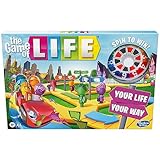
The Game of Life
The Game of Life is a timeless classic that’s been entertaining families for generations.
In this beloved family game, players navigate through the ups and downs of life, making choices about career paths, family, and even retirement.
From starting a career and earning a salary to getting married and buying a house, The Game of Life brings the journey of adulthood to the game board in a way that’s both humorous and engaging.
Each decision along the way impacts the player’s “life” and finances, making it a game of choices, chance, and a little strategy.
One of the most enjoyable aspects of The Game of Life is its ability to spark laughter and conversation among family members as players encounter familiar life events.
Younger kids get to imagine and explore what adulthood might look like, and the colorful game board, complete with houses, cars, and unique game pieces, adds a vibrant visual appeal that captivates players of all ages.
The classic spinning wheel, used to determine how far each player moves, adds an element of excitement and suspense, keeping everyone engaged and anticipating their next move.
Whether players end up becoming a doctor with a high salary or an artist with a modest income, The Game of Life encourages them to enjoy the journey rather than just the destination.
This game promotes bonding, laughter, and light-hearted competition as family members take different paths to “live their best life.”
Pros:
- Simple and Nostalgic: The Game of Life has straightforward rules and a nostalgic feel, making it accessible to new players and enjoyable for adults who remember playing it as kids.
- Engages All Ages: The game is easy for young kids to pick up, yet it has enough humor and variety to entertain older players, making it a great family game for mixed age groups.
- Promotes Imagination: Kids get to experience “life” decisions, which can spark interesting conversations and help them learn about finances, careers, and choices in a playful way.
- Colorful and Fun Components: The game board’s bright colors, unique game pieces, and the iconic spinner add visual interest and excitement, enhancing the overall experience.
- Great for Family Bonding: The Game of Life creates an atmosphere of fun and togetherness, with light-hearted competition and plenty of opportunities to cheer each other on or laugh at unexpected turns.
Cons:
- Luck-Based with Minimal Strategy: Since the game relies heavily on chance, some players may feel limited in their ability to control outcomes, which can be frustrating for those who prefer strategy-based games.
- Can Run Long: The Game of Life can take a while to play, especially with many players, which might be challenging for younger kids or those with shorter attention spans.
- Limited Replayability: After several rounds, the events can start to feel repetitive, as players encounter similar life scenarios each game. However, different choices and outcomes add some variation.
- Requires More Space: The game board is large and comes with several pieces, so it’s best played on a spacious table, which might be a drawback for smaller playing areas.
- Simplistic Finances: The game’s take on finances is simplified, so while it introduces young players to the concept of money, it doesn’t go into much depth.
Ideal Age Group:
The Game of Life is generally recommended for ages 8 and up, but younger kids can enjoy it with a little help. Its mix of fun choices, simple mechanics, and colorful game board make it ideal for families with young kids, teens, and adults alike.
Why You’ll Love It:
The Game of Life offers a playful, imaginative look at life’s big milestones and is a great game for sparking conversation, laughter, and bonding with family. It’s easy to understand yet full of surprises, making it perfect for family game nights when everyone wants to unwind and have fun together. If your family enjoys classic games that mix chance, humor, and a bit of life’s twists and turns, The Game of Life is an absolute must-have for your game collection.

The Settlers of Catan
The Settlers of Catan is a strategic board game that invites players into a world of resource gathering, trading, and settlement-building, set on the fictional island of Catan. Each player’s goal is to build a thriving settlement by carefully managing resources like wood, brick, sheep, wheat, and ore. But here’s the twist: you’re not alone on the island, and resources are limited, so players must trade and negotiate with each other to obtain what they need. The game encourages friendly competition, as each decision impacts not only your own growth but also the opportunities available to other players.
Every turn, players roll dice to determine which resources are produced, adding an element of chance to the strategy. To succeed, players must strategically decide where to place settlements and roads, maximize their access to resources, and adapt to changing circumstances on the board. One of the most enjoyable aspects of Settlers of Catan is the trading system, which allows players to bargain and make deals with each other. It’s perfect for families who love engaging in a little friendly bartering and negotiating, and the game rewards those who can plan ahead and seize opportunities.
With its base game and a variety of expansion packs, like Seafarers of Catan and Cities & Knights, Settlers of Catan offers endless possibilities for exploration and new challenges, so every game feels fresh. Whether you’re playing with teens or adults, this game is a fantastic way to bring everyone together for an evening of strategic fun.
Pros:
- Rich Strategic Depth: Settlers of Catan combines resource management, trading, and settlement-building in a way that keeps players constantly thinking ahead and adapting their strategies.
- Encourages Interaction and Negotiation: The trading mechanics make it highly interactive, encouraging players to communicate, negotiate, and make deals—great for social skills and teamwork.
- Expansive Replay Value: With multiple expansion packs and different board setups each game, Catan never gets old and offers a fresh experience each time you play.
- Accessible for Mixed Skill Levels: While strategic, the game’s core mechanics are simple enough for younger kids to learn, making it enjoyable for both seasoned players and newcomers.
- Promotes Critical Thinking: The game is fantastic for building critical thinking, resource management, and planning skills, as players balance immediate needs with long-term goals.
Cons:
- Requires Time and Patience: Settlers of Catan can be a lengthy game, often taking 60-90 minutes or more, which may be challenging for players looking for a shorter experience.
- Luck Factor in Dice Rolls: While strategy is a huge component, the game does rely on dice rolls to determine resource production, which can frustrate players who prefer games that are purely skill-based.
- Best with 3-4 Players: Catan shines with 3-4 players, but larger families might need expansion packs or have to rotate, as the base game is limited to four players.
- Learning Curve for Younger Players: Although the game is accessible, some younger kids might need a few rounds to fully understand the strategy involved, especially when it comes to trading.
- Can Get Competitive: Since players are often competing for limited resources and building space, the game can get intense, which may not appeal to families who prefer cooperative play.
Ideal Age Group:
Settlers of Catan is typically recommended for ages 10 and up, as it involves a mix of strategy, negotiation, and planning that’s better suited for older kids, teens, and adults. However, with guidance, younger players around age 8 might also enjoy it, especially if they like trading and building games.
Why You’ll Love It:
If your family enjoys games that mix strategy, negotiation, and a bit of luck, The Settlers of Catan will be a staple on your game shelf. It’s a fantastic way to spend quality time while challenging each other to think creatively and negotiate effectively. With its countless combinations, expansion packs, and engaging mechanics, Settlers of Catan brings endless fun and adventure to every game night, making it a must-have for families who love a good strategic challenge.

There you have it—ten of the best family board games to keep the whole family entertained, learning, and laughing in 2024. Each game on this list is a good choice, bringing something unique to your game shelf. Family game night can be an awesome time of year-round bonding, filled with laughs, excitement, and unforgettable memories. Grab one, set it up in the living room, and let the good times roll with the whole family!


I’ll have to try some of these over christmas
So fun! I actually have Code Names but have not played yet. This post is perfect for the upcoming holiday season
I don’t have small children anymore, but I definitely see myself playing the ticket to ride game board. Game boards used to be the highlight of Friday nights. Great post to share!
Trivial Pursuit is a great classic for me, as I used to play it with my parents and grandparents when I was a child, especially during the festive season. It was a lot of fun. I had never heard of Love Letter before. Thank you for sharing this great list!
I’m such a fan of board games! The Game of Life has always been a classic in my upbringing!
This is a great list with so many options! My family and I love trying new board games every Christmas, and Catan is our favorite. We’ll be picking something new from this list to try this year!
We love board games in my family. Now that the kids are grown, the routine continues. I play every night with my husband.
My kids love board games, and I will definitely buy one or two from your list for Christmas! Thank you for the great ideas.
This is a great list! Thank you for sharing! I hadn’t heard of some of these board games before!